Native American Life Along the Charles
Long before European settlers shaped the Charles, Native
Americans living in
The Boylston Street Fishweir
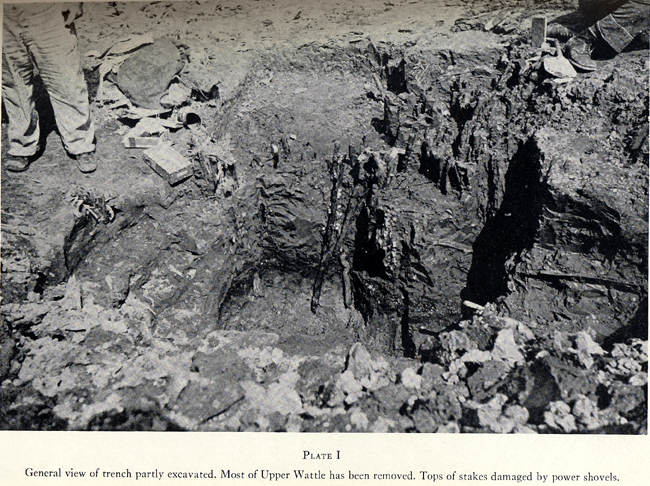
Boston is home to one of the oldest North American archaeological finds in New England, the Boylston Street Fishweir. Boylston Street, like the rest of Boston's Back Bay neighborhood, was once part of the Charles River estuary -- the body of water where the Charles River met Boston Harbor and the Atlantic Ocean. An archaeological project, initiated in the early twentieth century because of some construction projects, uncovered an extremely old fishweir far below street level. Native Americans had constructed this to trap fish several thousand years ago. Archaeological explorations of the site have continued for subsequent construction projects. The fishweir was centered near the site of Copley Square and the John Hancock tower.
Constructed of spokes of wood with brush and other objects squeezed in
to form wattling, the fishweir would trash everything from oysters to alewifes.
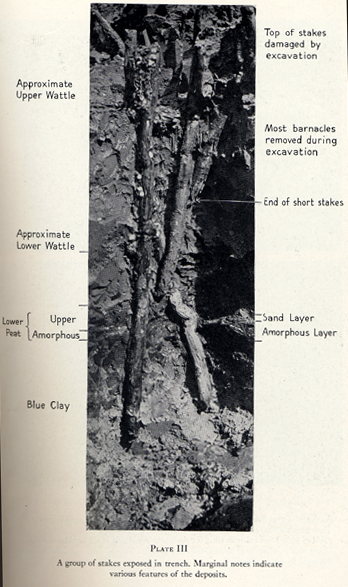
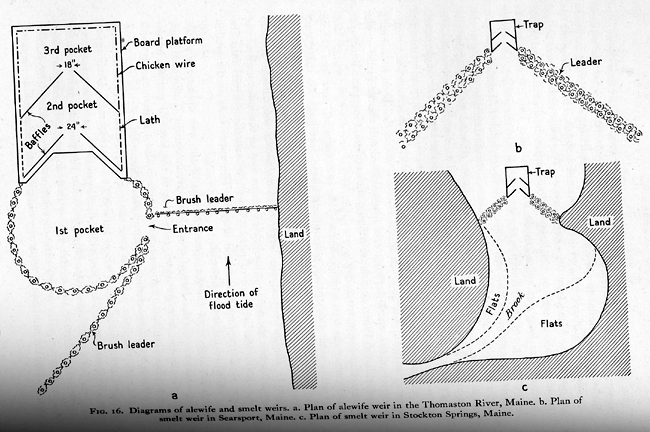
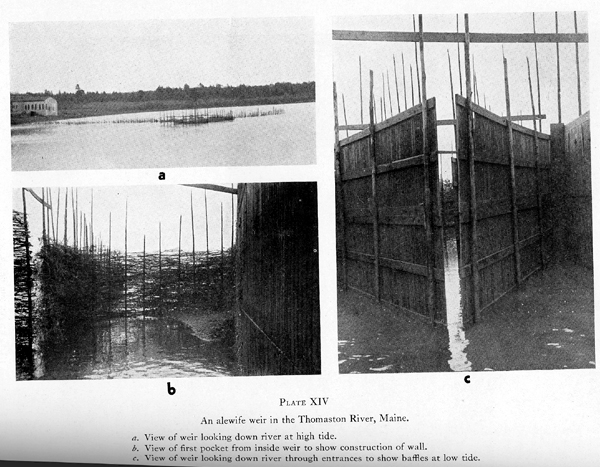
These images show various aspects of how the fishweir worked, and the remains that exist in downtown Boston, of what thousands of years ago was a working maritime economic enterprise:
- A Photograph of the Excavated Boyslton Street Fishweir
- A Diagram of how Fishweirs Work
- Photographs of Fishweirs Currently in Use in Maine
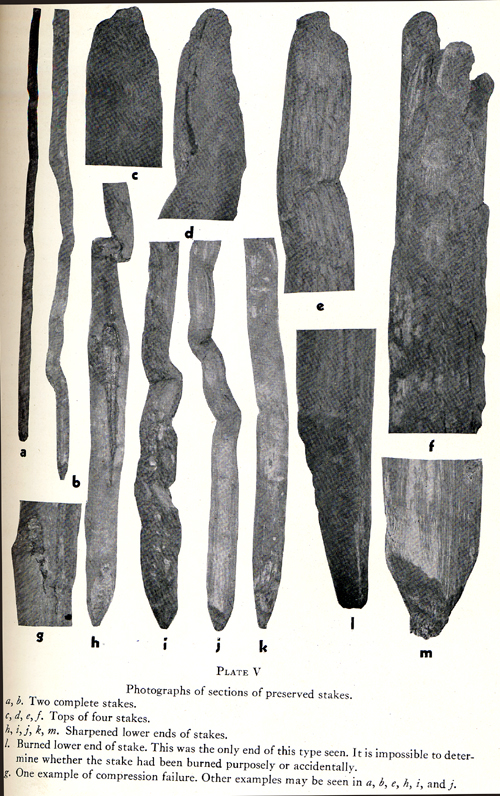
- Pictures of Spokes Recovered from the Boylston Street Fishweir
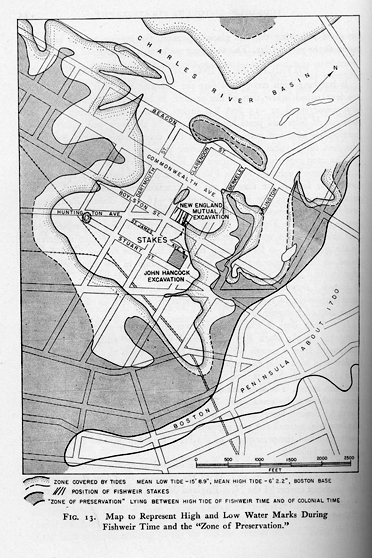
- A Map of Boston Showing the Location of the Fishweir
Other Archaeological Sites of pre-European Activity on the Charles
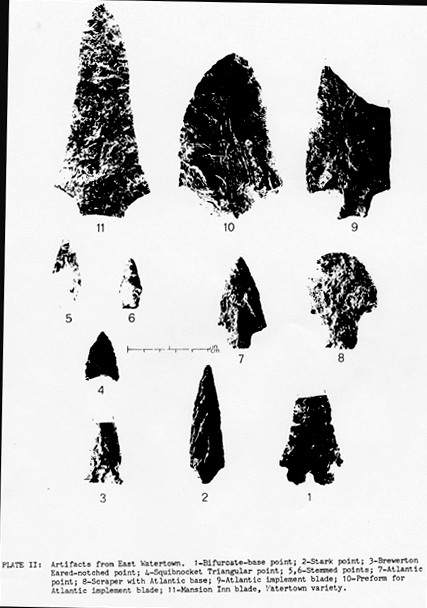
Dena Dicuze, a Harvard archaeologist affiliated with the Peabody Museum, conducted extensive research of Native American sites along the Charles River, extending to the inland towns far beyond Boston. You can view pictures of some of these artifacts , or visit them at Harvard's Peabody Museum.
Web Links
Please visit these sites on the world-wide-web to learn more about the Boylston Street Fishweir, and archaeological projects along the Charles River. Many of them have been funded by archaeological projects required by the Big Dig, New England's most recent effort to re-shape the Charles River.
The Big Dig Archaeology Museum
Boston Museum of Science Exhibit
A Masters Thesis from SUNY Binghamton on Prehistoric Fishweirs